


Best Sora Alternative AI Video Generators for Creators
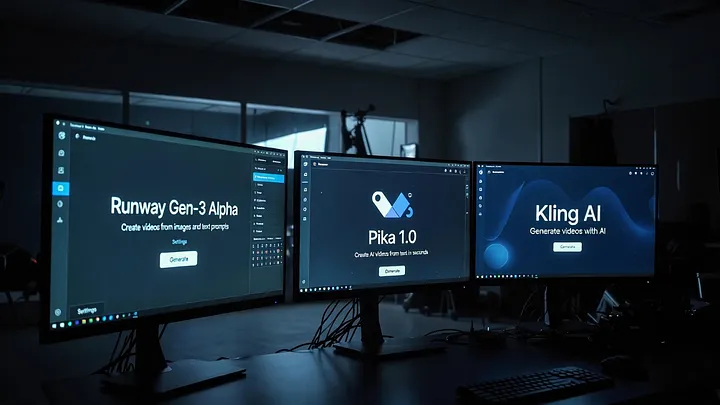
AI video generation has advanced rapidly, and tools similar to OpenAI’s Sora are now widely available. Many creators search for a sora alternative because access to Sora can be limited, expensive, or restricted depending on region and subscription plans. Fortunately, several powerful AI video models now provide comparable capabilities for generating cinematic videos from text prompts, images, or existing clips.
One of the strongest alternatives is Runway Gen-3, a popular AI video generation platform used by filmmakers, designers, and content creators. Runway allows users to generate videos from text prompts or images and includes creative tools such as stylization, editing features, and storyboard controls. It is considered one of the most flexible AI video systems for creative workflows.
Another notable option is Kling AI, which is known for producing longer and more stable video sequences. Many AI video models struggle to maintain consistent motion after a few seconds, but Kling can generate clips that stay coherent for around 10 seconds or longer while preserving subject consistency and scene details.
Pika Labs is also widely used by creators who want fast and visually dynamic clips for social media. Pika excels at energetic animations and stylized scenes, making it suitable for short-form content and experimental visuals. However, some users report that results can vary significantly between generations, which means multiple attempts may be needed to get the best output.
Another powerful competitor is Luma Dream Machine, which focuses on generating realistic video clips quickly. This tool is designed to create cinematic visuals with smooth motion and detailed environments, making it popular among creators who need fast results without complex editing workflows.
Google Veo is another advanced AI video model that focuses on cinematic quality and high-resolution output. It supports features such as realistic lighting, camera motion, and natural scene composition. Some versions of Veo can even generate video with integrated audio, making it suitable for high-end production workflows.
One reason people look for alternatives is cost and accessibility. Some advanced models like Sora can cost around $0.30–$0.50 per second of generated video, which makes large projects expensive. Alternatives such as Kling offer similar visual quality at a significantly lower cost, sometimes five to ten times cheaper depending on the platform.
AI video generators are now used in many industries. Content creators produce short videos for social media platforms, marketers generate promotional clips for campaigns, and educators create visual explanations for training materials. These tools allow users to produce complex visual scenes without cameras, actors, or traditional filming equipment.
Another benefit of modern AI video tools is creative experimentation. Users can quickly generate multiple variations of a scene, test different prompts, and combine clips into larger projects. This rapid iteration process helps creators explore new ideas and develop content faster than traditional video production methods.
The AI video space is evolving quickly, with companies like Meta, Google, and OpenAI competing to develop more powerful models. New platforms are focusing on longer videos, improved motion consistency, and better integration with editing software.
 Dutch
Dutch
 English
 Arabic
 French
 Spanish
 Portuguese
 Deutsch
 Turkish
 Italiano
 Russian
 Romaian
 Portuguese (Brazil)
 Greek
Greek