Chemical peeling is a versatile skincare treatment that helps improve skin texture, reduce acne scars, minimize fine lines, and restore a healthy glow. Many people considering Chemical peeling in Riyadh (التقشير الكيميائي) wonder which type of peel is best suited for their specific skin type. Choosing the right peel ensures safe treatment, effective results, and minimal side effects.
Understanding how chemical peels interact with different skin types allows skincare professionals to provide personalized treatments tailored to individual needs.
What Is Chemical Peeling?
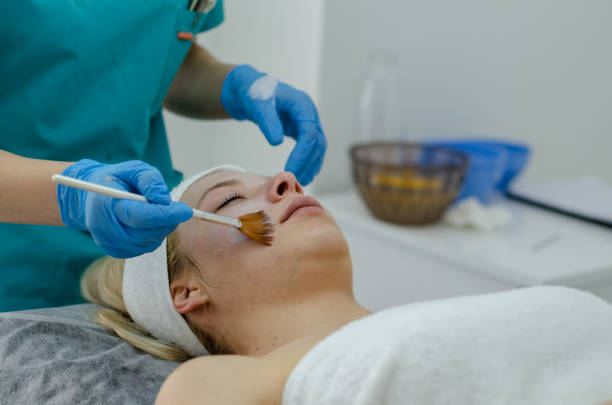
Chemical peeling is a cosmetic procedure where a controlled chemical solution is applied to the skin. This solution exfoliates damaged outer layers, stimulates skin renewal, and reveals smoother, brighter skin underneath.
Purpose of Chemical Peeling
Chemical peeling is designed to:
-
Remove dead skin cells
-
Improve uneven skin tone and texture
-
Reduce acne scars, pigmentation, and blemishes
-
Minimize fine lines and wrinkles
-
Brighten dull or tired-looking skin
The type and depth of the peel are carefully selected according to skin type and specific concerns.
Best Chemical Peels for Different Skin Types
Different skin types react differently to chemical peels. Proper assessment by a skincare professional ensures safety and effectiveness.
Normal Skin
-
Characteristics: Balanced oil and moisture, few imperfections
-
Recommended Peel: Superficial peels using glycolic or lactic acid
-
Benefits: Maintains smooth texture, enhances radiance, and prevents early signs of aging
Oily Skin
-
Characteristics: Excess sebum, prone to acne and clogged pores
-
Recommended Peel: Salicylic acid or glycolic acid peels
-
Benefits: Reduces acne, unclogs pores, controls oil production, and improves skin clarity
Dry Skin
-
Characteristics: Low moisture, sensitive, prone to flakiness
-
Recommended Peel: Mild lactic acid or mandelic acid peels
-
Benefits: Gently exfoliates without causing irritation, improves hydration, and restores softness
Sensitive Skin
-
Characteristics: Easily irritated, reactive, prone to redness
-
Recommended Peel: Superficial peels with lactic or mandelic acid
-
Benefits: Provides gentle exfoliation, brightens skin, and reduces minor pigmentation without causing excessive irritation
Combination Skin
-
Characteristics: Oily in some areas (typically T-zone), dry in others
-
Recommended Peel: Balanced peels like glycolic acid or custom blends
-
Benefits: Targets problem areas without over-drying or irritating other parts of the face
Hyperpigmented or Sun-Damaged Skin
-
Characteristics: Uneven skin tone, dark spots, or sun-induced damage
-
Recommended Peel: Medium-depth peels with glycolic, TCA, or Jessner’s solution
-
Benefits: Lightens pigmentation, improves skin tone, and stimulates collagen production
Factors Influencing Peel Selection
Several factors determine which chemical peel is suitable for a specific skin type:
-
Skin sensitivity and tolerance
-
Skin concerns (acne, pigmentation, fine lines)
-
Depth of treatment required (superficial, medium, or deep)
-
Previous reactions to chemical treatments
A professional consultation ensures the most effective and safe treatment plan.
Post-Peel Care for All Skin Types
After a chemical peel, proper care is crucial for optimal results:
-
Apply broad-spectrum sunscreen daily
-
Use gentle, hydrating skincare products
-
Avoid harsh exfoliants or chemicals until fully healed
-
Follow professional aftercare instructions
Following these steps protects the new skin and prolongs the benefits of the treatment.
Book Your Consultation
To achieve smooth, radiant, and healthier skin, professional chemical peeling treatments should be tailored to your specific skin type. At Royal Clinic Saudia (عيادات رويال كلينك), experienced specialists provide personalized treatments and guidance to ensure safe, effective results. Book your consultation today to find the perfect chemical peel for your skin.
FAQs:
Which chemical peel is best for oily skin?
Salicylic acid or glycolic acid peels are ideal for oily, acne-prone skin to control oil and reduce breakouts.
Can sensitive skin undergo chemical peeling?
Yes, superficial peels with gentle acids like lactic or mandelic acid are safe for sensitive skin.
What peel is suitable for sun-damaged skin?
Medium-depth peels with glycolic acid, TCA, or Jessner’s solution are effective for pigmentation and sun damage.
How is the right peel chosen for my skin type?
A professional skincare assessment evaluates your skin type, concerns, and sensitivity to determine the safest and most effective peel.



 Spanish
 English
 Arabic
 French
 Portuguese
 Deutsch
 Turkish
 Dutch
Dutch
 Italiano
 Russian
 Romaian
 Portuguese (Brazil)
 Greek
Greek