


Graphic Design Mistakes That Weaken Marketing Campaigns
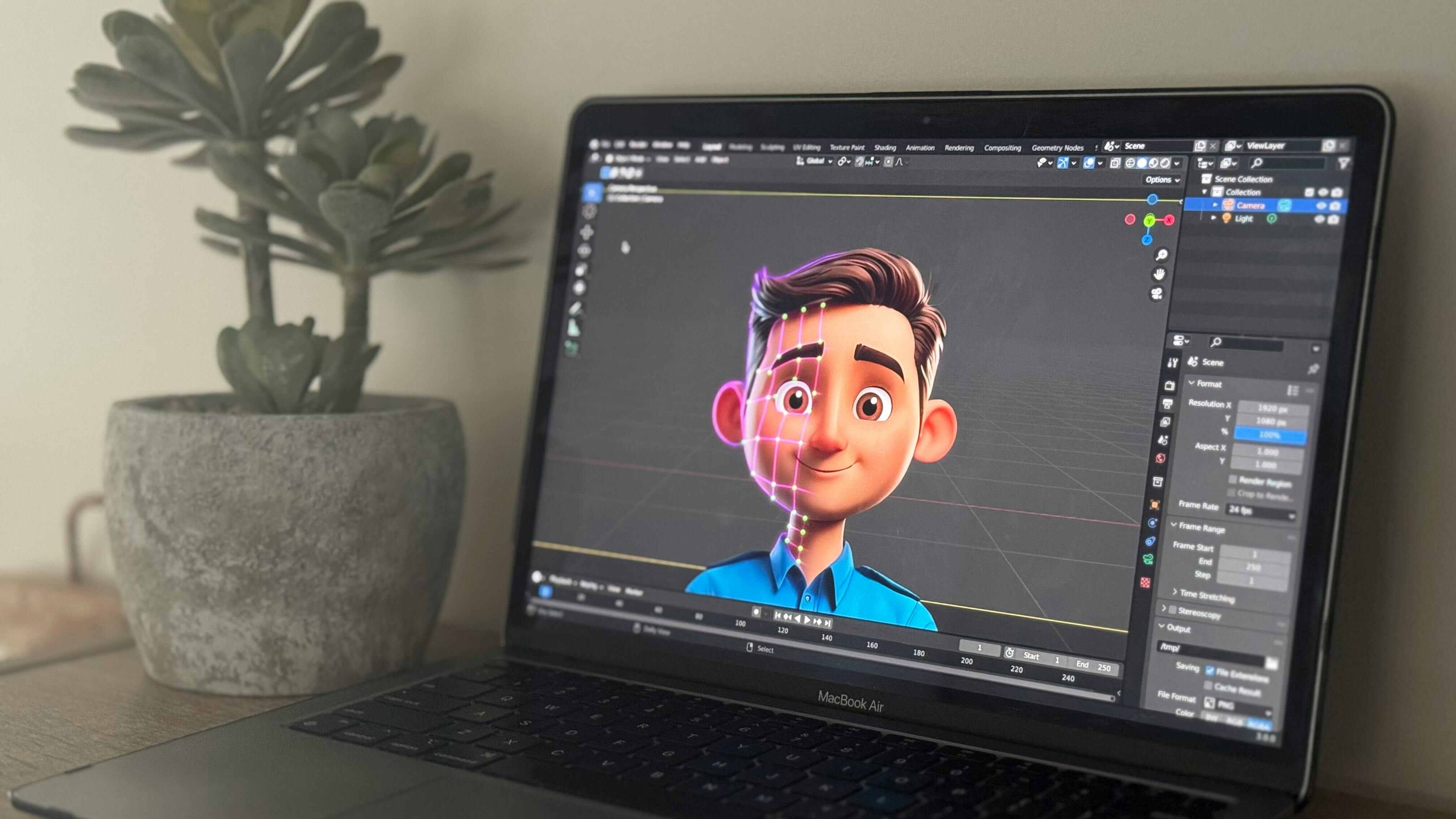
In a hyper-competitive digital landscape, even minor visual missteps can dismantle an otherwise well-funded marketing campaign. The difference between a high-converting campaign and one that fades into obscurity often lies in avoiding critical graphic design mistakes and leveraging the evolving power of AI in graphic design.
This guide delivers a precise, in-depth breakdown of the most damaging design errors—and the advanced, AI-driven solutions that eliminate them.
The Hidden Cost of Graphic Design Mistakes in Modern Marketing
Poor design decisions silently erode trust, clarity, and engagement. Every pixel communicates intent. When visuals fail, campaigns suffer from:
- Reduced click-through rates
- Weak brand recall
- Lower conversion performance
- Increased bounce rates
These outcomes are not accidental; they stem from avoidable structural and strategic design flaws.
1. Inconsistent Brand Identity Across Campaign Assets
A fragmented visual identity confuses audiences and weakens brand recognition.
Critical Failures:
- Mismatched typography across platforms
- Inconsistent color palettes
- Irregular logo placement
- Conflicting visual styles
High-Performance Solution:
- Establish a unified design system with strict brand guidelines
- Use AI-powered tools to enforce consistency across all creative outputs
AI in graphic design ensures uniformity by automatically applying brand kits, detecting deviations, and optimizing layouts in real-time.
2. Overloaded Visual Composition
Cluttered designs dilute messaging and overwhelm users.
Symptoms:
- Excessive text blocks
- Too many visual elements competing for attention
- Lack of whitespace
Strategic Fix:
- Apply visual hierarchy principles
- Use whitespace as a conversion tool
- Limit focal points to one primary message
AI-based layout engines analyze user attention patterns and restructure compositions to maximize clarity and engagement.
3. Poor Typography Choices That Kill Readability
Typography directly impacts comprehension and user retention.
Common Graphic Design Mistakes:
- Using decorative fonts for body text
- Poor font pairing
- Inconsistent line spacing
- Low contrast between text and background
Precision Optimization:
- Use legible, web-safe fonts
- Maintain typographic hierarchy (H1, H2, body)
- Optimize contrast ratios for accessibility
AI tools now auto-suggest font combinations and dynamically adjust readability based on device and audience behavior.
4. Ignoring Mobile-First Design Principles
A design that looks perfect on desktop but breaks on mobile destroys user experience.
Core Issues:
- Text overflow
- Cropped visuals
- Unresponsive layouts
Conversion-Focused Approach:
- Design for mobile-first, then scale upward
- Use responsive grids and scalable vector elements
AI in graphic design automatically generates responsive variations, ensuring seamless performance across all screen sizes.
5. Weak Visual Hierarchy and Call-to-Action Placement
Without a clear path, users hesitate—and hesitation kills conversions.
Key Mistakes:
- Hidden or unclear CTAs
- Equal visual weight across elements
- Lack of directional cues
Advanced Solution:
- Prioritize CTA prominence using size, color, and placement
- Use directional design elements (arrows, gaze cues)
AI-driven heatmaps predict user behavior and optimize CTA positioning for maximum clicks.
6. Low-Quality or Irrelevant Imagery
Visual authenticity drives emotional engagement.
Damaging Practices:
- Generic stock images
- Pixelated or stretched graphics
- Irrelevant visuals disconnected from messaging
High-Impact Fix:
- Use high-resolution, contextually relevant images
- Incorporate custom illustrations or branded visuals
AI image generation tools create hyper-relevant visuals tailored to campaign goals, eliminating reliance on overused stock assets.
7. Lack of Data-Driven Design Decisions
Design without analytics is guesswork.
Frequent Errors:
- Ignoring performance metrics
- No A/B testing of visual elements
- Static design strategies
Intelligent Optimization:
- Continuously test variations of layouts, colors, and typography
- Use predictive analytics to guide design updates
AI in graphic design integrates directly with analytics platforms, enabling real-time design adjustments based on user behavior.
8. Misalignment Between Design and Marketing Message
Design must amplify not contradict the campaign narrative.
Missteps:
- Visual tone mismatch with brand voice
- Overly complex graphics for simple messages
- Disconnected storytelling
Strategic Alignment:
- Ensure visuals reinforce the core message
- Maintain emotional consistency across all assets
AI systems analyze messaging and automatically generate visuals aligned with tone, intent, and audience expectations.
Workflow Optimization Using AI in Graphic Design
The integration of AI transforms traditional design workflows into intelligent, scalable systems.
Key Capabilities:
- Automated layout generation
- Brand consistency enforcement
- Real-time performance optimization
- Predictive user engagement modeling
Eliminating Graphic Design Mistakes with Scalable Systems
The most effective marketing teams no longer rely solely on manual design processes. They integrate AI to:
- Detect and correct design inconsistencies instantly
- Generate optimized layouts based on proven engagement patterns
- Continuously refine visuals through live data
This eliminates recurring graphic design mistakes while unlocking a new level of creative precision.
Conclusion: Design Precision as a Competitive Advantage
Flawless design is no longer optional; it is a growth engine. Campaigns that eliminate fundamental design errors and embrace AI in graphic design achieve:
- Higher engagement rates
- Stronger brand authority
- Increased conversion performance
Mastering these principles ensures that every visual asset contributes directly to measurable marketing success.

 English
 Arabic
 French
 Spanish
 Portuguese
 Deutsch
 Turkish
 Dutch
Dutch
 Italiano
 Russian
 Romaian
 Portuguese (Brazil)