


African American Hair Transplants: How to Achieve Natural Hairlines
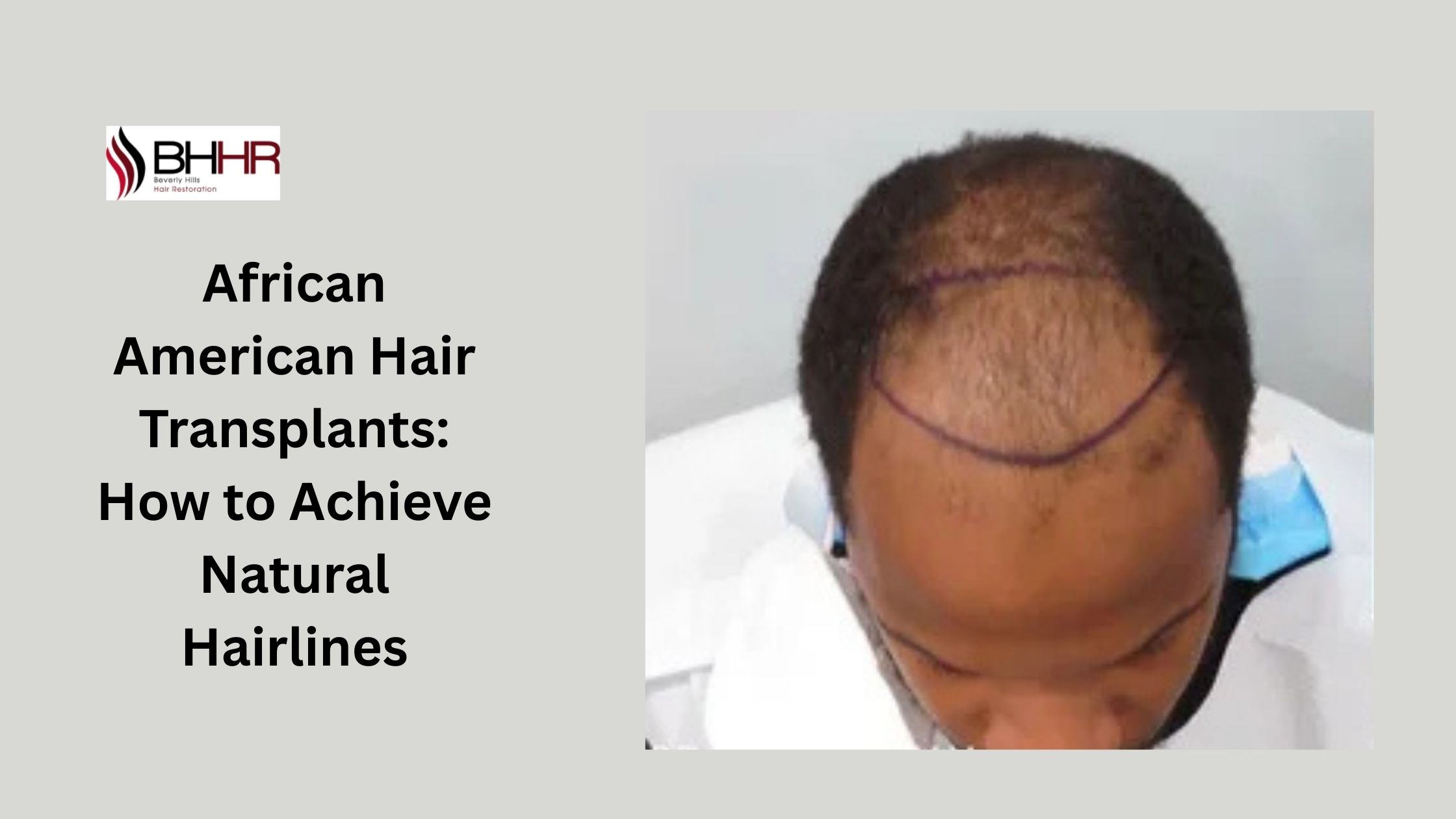
Hair loss can be especially frustrating when it affects your hairline—the most visible and defining feature of your appearance. For many patients, achieving a natural-looking result requires more than a standard approach. African American hair has unique characteristics, and restoring it successfully demands specialized knowledge and precision. Modern hair restoration techniques now make it possible to design hairlines that complement natural curl patterns, density, and facial structure. With the right planning, patients can enjoy results that look authentic and age-appropriate rather than artificial or overdone. This guide explains how African American hair transplants can create natural hairlines while preserving texture, volume, and long-term scalp health.
Understanding African American Hair Characteristics
African American hair differs significantly from straight or wavy hair types, both above and below the scalp. The hair follicles are naturally curved, and the strands grow in a tight curl or coil pattern. Because of this structure, each graft provides more visual density, but it also requires careful handling during extraction and placement. Incorrect angles or depth can damage follicles or lead to unnatural growth patterns. Additionally, scalp characteristics such as skin tone and healing response must be considered to minimize visible scarring. Understanding these biological differences is essential for planning a successful procedure. When performed by experienced specialists, African American hair transplants can preserve the natural curl pattern while maximizing coverage and fullness.
Why Hairline Design Matters for Natural Results
A natural hairline is not simply about adding hair—it’s about recreating balance, symmetry, and cultural authenticity. African American hairlines often feature softer edges, irregular density, and subtle curves rather than sharp, straight lines. Designing a hairline without respecting these elements can result in an unnatural appearance. Surgeons must consider facial proportions, age, and future hair loss progression when planning placement. Density should gradually increase rather than appear uniform across the front. This thoughtful design approach ensures the hairline blends seamlessly with existing hair and grows naturally over time. Precision in hairline planning is one of the most important factors in achieving realistic results.
Advanced Techniques Used in Textured Hair Transplants
Modern hair restoration techniques have evolved to address the challenges of textured hair. Follicular Unit Extraction (FUE) is commonly preferred because it allows for precise graft harvesting while minimizing visible scarring. Specialized tools and customized extraction angles help protect curved follicles during removal. During implantation, grafts are placed to match the natural curl direction and growth pattern. Surgeons also adjust spacing to achieve optimal density without compromising blood supply. These advancements allow African American hair transplants to deliver results that look full, natural, and long-lasting. When performed correctly, the transplanted hair grows just like natural hair and can be styled normally.
Recovery, Growth Timeline, and Aftercare
Recovery after a hair restoration is generally straightforward, but proper aftercare plays a major role in final results. Mild redness or swelling may occur initially and usually subsides within a few days. Transplanted hairs often shed within the first few weeks, which is a normal part of the growth cycle. Patients are advised to follow post-process instructions carefully, including gentle cleansing and avoiding excessive tension on the scalp. Long-term success depends on both technique and consistent aftercare.
Why Choose BHHR for Textured Hair Restoration
BHHR specializes in advanced solutions for patients with textured and curly hair, focusing on natural hairline design and long-term results. The clinic’s approach is tailored to the unique structure of African American hair, ensuring grafts are harvested and implanted with precision. By using modern techniques designed specifically for textured restoration, BHHR prioritizes density, curl preservation, and minimal scarring. Each treatment plan is customized based on hair characteristics, facial features, and individual goals. This patient-focused approach helps deliver results that look authentic rather than artificial. BHHR’s expertise in textured hair restoration makes it a trusted option for those seeking natural, confidence-boosting outcomes.
Conclusion: Confidence Through Natural Hairlines
Achieving a natural hairline requires more than simply restoring lost hair—it requires expertise, artistry, and an understanding of textured hair. With the right techniques and careful planning, African American hair transplants can produce realistic, long-lasting results that enhance both appearance and confidence. By respecting curl patterns, density, and hairline aesthetics, modern hair restoration offers a reliable solution for patients seeking natural outcomes. Choosing an experienced provider and following proper aftercare ensures results that look and feel authentic for years to come.

 English
 Arabic
 French
 Spanish
 Portuguese
 Deutsch
 Turkish
 Dutch
Dutch
 Italiano
 Russian
 Portuguese (Brazil)
 Greek
Greek